
Uncovering the Shift: How has the Inflation Reduction Act Changed the Landscape for Homeowners Considering Solar?
- DGW

- Sep 23, 2024
- 2 min read

In today’s world, where sustainability and cost-efficiency play vital roles in decision-making processes, the idea of harnessing solar power has become increasingly popular among homeowners. The advent of solar panels for residential use has not only brought environmental benefits but also economic advantages for those seeking to reduce their carbon footprint and energy bills simultaneously. However, the landscape for homeowners considering solar has undergone significant transformations over the years, particularly before and after the implementation of the Inflation Reduction Act. Let's delve into the key differences brought about by this pivotal legislation.
Before the Inflation Reduction Act

Affordability Concerns : Prior to the implementation of the Inflation Reduction Act, the cost of solar panel installation was a major deterrent for many homeowners. The initial investment required to set up a solar system was substantial, often leading to hesitance among those interested in adopting sustainable energy solutions but restricted by financial constraints.
Limited Incentives : Another challenge faced by homeowners contemplating solar power was the lack of robust financial incentives and tax benefits. Without adequate governmental support, the return on investment for solar installations was more extended, making the prospect less appealing for budget-conscious individuals.
Technological Restraints : Additionally, the technology used in solar panels was less advanced, resulting in lower efficiency rates and diminished energy production. Homeowners were skeptical about the reliability and performance of solar systems, unsure if they could truly meet their household energy needs adequately.
After the Inflation Reduction Act
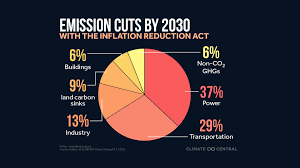
Cost Reduction : With the enactment of the Inflation Reduction Act, the solar energy landscape witnessed a substantial shift towards increased affordability. The implementation of incentives, tax credits, and subsidies significantly reduced the upfront costs associated with solar panel installations, making it a more financially viable option for homeowners across various income brackets.
Financial Incentives : Post-Act, homeowners are now able to leverage various financial incentives provided by the government to offset the initial investment and accelerate the payback period of solar systems. Tax credits and rebates have become key drivers in encouraging homeowners to embrace solar power, helping them save significantly on their energy bills in the long run.
Technological Advancements : One of the most notable changes post-Inflation Reduction Act has been the advancement in solar technology. Modern solar panels are more efficient, durable, and aesthetically pleasing, offering homeowners a higher energy yield and improved reliability. The enhanced performance of solar systems has instilled greater confidence in homeowners regarding the efficacy of renewable energy solutions.
In conclusion, the Inflation Reduction Act has played a pivotal role in reshaping the landscape for homeowners considering solar power. What was once perceived as a luxurious and unattainable investment has now become a feasible and rewarding choice for individuals looking to embrace sustainability while saving on their energy expenses. The increased affordability, financial incentives, and technological advancements brought about by this legislation have propelled a significant uptick in the adoption of solar energy systems among homeowners, marking a positive shift towards a more sustainable future.

Comments