
What's REALLY Behind the California Wildfires and What Can We Do to Help the LA Fire Victims
- DGW

- Jan 9, 2025
- 4 min read
The California wildfires, especially in the Los Angeles area, have become a seasonal tragedy affecting both the environment and communities. Every year, raging flames sweep through neighborhoods, forests, and homes, leaving destruction in their wake. Yet, many still wonder: what really drives these disasters? Understanding the root causes and exploring concrete actions for support can empower us to create a safer, more resilient environment.
Understanding the Root Causes of California Wildfires
Climate Change
Climate change stands as a major contributor to the rising frequency and intensity of wildfires in California. Temperatures have increased by approximately 2.5 degrees Fahrenheit over the past century, leading to prolonged droughts that dry out vegetation. According to a study by the U.S. Forest Service, climate change could lead to a staggering 30% rise in the number of large wildfires by 2060.
These dry spells and heatwaves create conditions where fires can easily ignite and spread. In 2020 alone, California saw over 4.2 million acres burned due to wildfires, a record high that underscores the urgent need for collective action.
Poor Land Management
Ineffective land management has also played a significant role in the wildfire crisis. Historically, aggressive fire suppression tactics led to an overload of dry brush and undergrowth, which now serves as prime fuel for wildfires. Research indicates that around 33 million acres in California are at high risk for severe wildfires due to this buildup of vegetation.
Implementing better land management practices, such as controlled burns and regular vegetation clearing, can reduce the likelihood of catastrophic fires. In fact, controlled burns reduce the amount of combustible material, potentially decreasing wildfire intensity by nearly 50%.
Urban Development
As California's population continues to grow, more homes are being built in areas susceptible to wildfires. The “wildland-urban interface,” where urban development meets natural landscapes, increases the risk to properties and lives. This area accounted for nearly 90% of the structures lost in recent wildfires.
New housing developments must prioritize fire-resistant architecture and community designs that account for potential wildfire threats. For example, implementing fire breaks and using non-flammable materials could significantly enhance safety in these risky zones.
Invasive Species
The spread of invasive plant species exacerbates wildfire risks in California. Many of these non-native plants, such as cheatgrass and wild oats, flourish in California's unique Mediterranean climate, creating highly flammable environments. Invasive grasses can increase wildfire frequency by 300%, drastically changing the ecosystem.
Efforts to remove invasive species can restore native plant communities, improving overall ecosystem resilience. Programs focused on native planting could help decrease wildfire risks and maintain biodiversity.
How You Can Help LA Fire Victims
Stay Informed
Knowledge empowers individuals to take preventative measures. Stay updated on fire risks during dry seasons. Local alerts can provide crucial information, helping families make informed decisions. For example, signing up for notifications from the California Department of Forestry and Fire Protection can keep you informed about local fire conditions and safety tips.
Support Local Organizations
Many organizations focus on preventing wildfires and aiding recovery efforts. Donating time or resources to organizations dedicated to training local firefighters or conducting ecological restoration can have a profound impact. For instance, the California Wildfire Relief Fund has helped communities recover by providing essential resources to those affected by wildfires.
Prepare Your Home
If you live in a fire-prone area, it's crucial to prepare your home. Start by creating a defensible space, which means clearing flammable materials away from your property. Using fire-resistant building materials and establishing family emergency plans are vital steps that can save lives and property.
Encourage your neighbors to take similar actions. A community-wide preparation can create a stronger buffer against wildfires, enhancing overall safety.

Volunteer for Clean-Up
After a wildfire, communities often need volunteers for cleanup and recovery. Many local charities organize events focusing on rehabilitation. Participating in these events can foster a sense of unity while helping communities rebuild their lives. For example, joining groups like Team Rubicon provides essential support in re-establishing affected neighborhoods.
Advocate for Policy Change
Advocating for sustainable land management policies is key to long-term change. Engage with local representatives and support legislation focused on responsible forestry management and climate resilience. By promoting community awareness, you can help push for better wildfire prevention strategies and response plans.
Taking Action for a Safer Tomorrow
The recurring wildfires in California stem from a combination of climate change, ineffective land management, urban sprawl, and invasive species. Recognizing these causes is essential to tackling the problem effectively.
However, there is hope in the actions we take together. By staying informed, supporting local organizations, preparing homes, volunteering, and advocating for meaningful policy changes, everyone can contribute to a more sustainable future. A united community can reduce the risks and impact of wildfires, paving the way for a safer California for all.
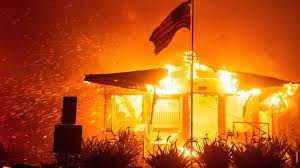
In the face of nature's challenges, hope thrives in our collective efforts. We have the potential to make a lasting difference in preserving our environment for future generations.

Visit redcross.org, call 1-800-RED CROSS (800-733-2767) or text the word REDCROSS to 90999 to make a $10 donation
Comments